← Back to Stop4Sun
How to Pack Your RV — The Complete Checklist
Everything you need to bring on your motorhome, campervan, or caravan trip — from kitchen essentials to safety gear.
Last updated: April 2026
Tip: Print this page or save it on your phone. Go through the list the day before departure — it's much easier to fix a forgotten item at home than at the first campsite.
Kitchen & Cooking
A well-stocked kitchen makes the difference between a great trip and a frustrating one. Pack smart — you don't need your entire home kitchen.
Essentials
- Pots and pans (1 large, 1 small, 1 frying pan)
- Plates, bowls, and mugs (lightweight, unbreakable)
- Cutlery set (knives, forks, spoons)
- Sharp kitchen knife and cutting board
- Spatula, ladle, tongs, and tin opener
- Kettle or coffee maker (Moka pot works great on gas)
- Drinking glasses (plastic or silicone — avoid glass on the road)
- Airtight food containers and zip-lock bags
- Kitchen towels and dishcloths
- Washing-up liquid, sponge, and small drying rack
- Bin bags (several sizes)
Nice to have
- Portable BBQ or grill (gas or charcoal)
- Spice kit in small containers
- Corkscrew and bottle opener
- Thermos flask
- Collapsible colander and mixing bowl
Bedding & Sleeping
Good sleep is essential on a road trip. The built-in mattress in most motorhomes is decent, but bedding makes the comfort difference.
- Fitted sheets (bring spares — laundry isn't always available)
- Duvet or sleeping bags (depending on season and climate)
- Pillows (compressible travel pillows save space)
- Extra blanket for cool evenings
- Mattress topper (highly recommended for longer trips)
- Earplugs and sleep mask
Tip: Sleeping bags rated for 5–10°C are perfect for spring and autumn trips. In summer, a light cotton sheet is often enough. Layer up rather than bringing one heavy duvet.
Bathroom & Hygiene
Most motorhomes have a small bathroom, but space is limited. Use travel-size containers and multi-purpose products.
- Toiletries: toothbrush, toothpaste, shampoo, soap
- Toilet paper (RV-safe / quick-dissolving)
- Toilet chemical (blue for waste tank, pink for flush tank)
- Towels (quick-dry microfibre saves space and dries fast)
- Sunscreen and insect repellent
- First aid kit (plasters, painkillers, antiseptic, any prescription medication)
- Hand sanitiser
- Shower sandals (for campsite showers)
Important: Never use regular household toilet paper in a chemical toilet — it doesn't dissolve and will clog the cassette. Buy quick-dissolving RV toilet paper or test your brand by putting a sheet in a jar of water and shaking.
Safety & Emergency
Safety equipment is not just about following the law — it can save your life. Check the equipment requirements by country in our Europe guide.
- Warning triangle (2 for Spain)
- High-visibility vests (one per passenger)
- Fire extinguisher (1 kg dry powder minimum)
- First aid kit (DIN 13164 standard recommended)
- Smoke detector and CO detector (carbon monoxide — critical with gas appliances)
- Headlamp beam deflectors (if driving a right-hand drive vehicle in continental Europe)
- Spare bulb kit (required in some countries)
- Torch / flashlight with extra batteries
- Fire blanket (especially near the kitchen/stove area)
Carbon monoxide: A CO detector is one of the most important safety items in a motorhome. Gas leaks from the cooker, heater, or fridge can be deadly — and you can't smell CO. Battery-operated detectors cost around €20 and could save your life.
You don't need to bring an entire workshop, but a basic toolkit will get you out of most roadside situations.
- Basic toolkit: screwdrivers (flat + Phillips), pliers, adjustable wrench, hex keys
- Duct tape and cable ties (the universal fix)
- Spare fuses (vehicle and habitation area)
- Spare vehicle light bulbs
- Tyre repair kit or spare tyre + jack
- Jump start cables or portable jump starter
- Tow rope
- WD-40 or silicone spray
- Sealant / leak stopper for roof or window emergencies
- Gaffer tape (waterproof, stronger than duct tape)
Electrical & Tech
Keep your devices charged and your motorhome connected. Power management is key on longer trips.
- Mains hook-up cable (usually 25m, CEE plug blue 16A)
- Electrical adapters (EU ↔ UK, Swiss, etc.)
- Extension lead with multiple sockets
- Solar panel (portable or roof-mounted) + charge controller
- 12V to 230V inverter (for charging laptops, etc.)
- USB charging cables and power bank
- Levelling ramps / chocks
- GPS / sat nav with motorhome routing (height + weight restrictions)
- Mobile WiFi router or phone hotspot
Power tip: A portable solar panel (100–200W) combined with a good leisure battery gives you freedom to stay off-grid for days. Charge laptops and devices during sunny hours, and switch to LED lighting to conserve power in the evening.
Outdoor & Leisure
Half the joy of motorhome travel is living outdoors. A few key items make your campsite feel like home.
- Folding chairs (lightweight, compact)
- Folding table
- Awning or sunshade (built-in or portable)
- Outdoor mat / ground sheet (keeps mud out of the van)
- Clothesline and pegs
- LED lantern or fairy lights
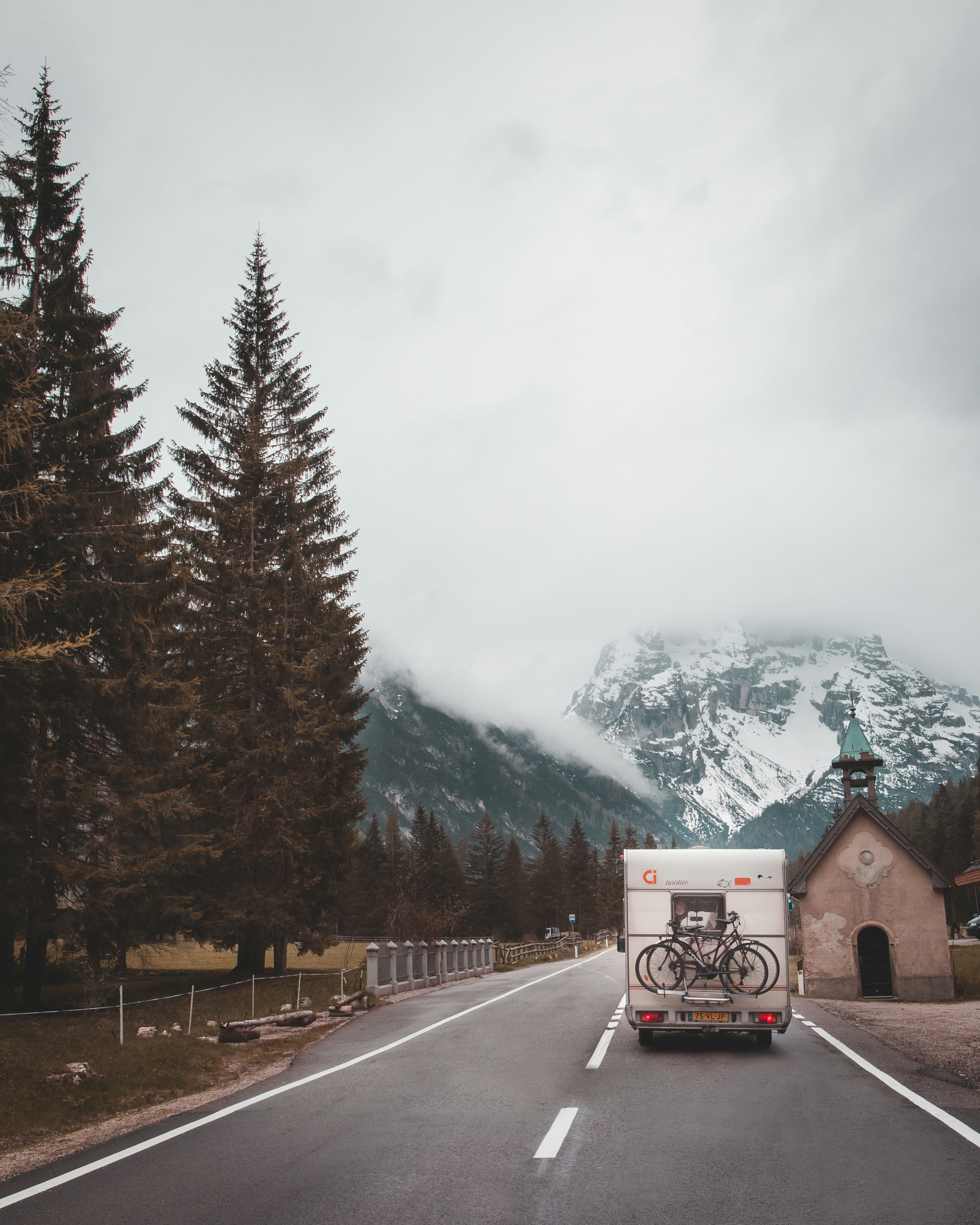
- Bikes + bike rack (check rear overhang rules)
- Games, books, playing cards
- Binoculars (for bird watching and scenic viewpoints)
- Hammock (lightweight, packs small, maximum relaxation)
Documents & Admin
Don't forget the paperwork. Missing documents can mean fines, refused entry, or problems with insurance.
- Driving licence (check if C1 needed for your vehicle weight)
- Passport or ID card
- Vehicle registration document (V5C or equivalent)
- Insurance green card / proof of motor insurance
- Breakdown cover documents + emergency number
- European Health Insurance Card (EHIC / GHIC) or travel insurance
- Vignettes and toll transponders (see tolls guide)
- Emission zone stickers (Umweltplakette, Crit'Air — see emission guide)
- Camping card (ACSI, CCI, or ADAC) for discounts
- Gas installation certificate (required by some ferries and in some countries)
Before you leave: Make digital copies of all important documents and store them in the cloud or email them to yourself. If your passport or insurance card gets lost or stolen, having a digital copy makes replacement much easier.
Water & Waste
Managing fresh water and waste is part of daily motorhome life. Bring the right accessories to make it painless.
- Fresh water hose (food-grade, 10–15m)
- Water filter or purification tablets (for questionable water sources)
- Watering can or jerry can (for filling up when hose doesn't reach)
- Waste water hose / grey water drain
- Toilet cassette chemicals and deodorisers
- Disposable gloves (for emptying the cassette)
- Tank freshener / sanitiser (for the fresh water tank, once per season)
Clothing Tips
Pack for layers, not for occasions. European weather can change fast, and motorhome storage is limited.
- Base layers, mid layers, and a waterproof outer layer
- Rain jacket and waterproof trousers
- Warm fleece or down jacket (even in summer for mountain areas)
- Sun hat and warm hat
- Comfortable walking shoes + sandals + flip-flops for showers
- Swimwear and quick-dry towel
- Small bag of laundry detergent (many campsites have washing machines)
The layer rule: Three thin layers beat one thick layer every time. You can add or remove layers as the weather changes throughout the day. Merino wool base layers are ideal — they regulate temperature and don't smell after multiple days.
Weight & Loading Tips
Overloading is one of the most common mistakes in motorhome travel. It affects safety, fuel economy, and is illegal in most countries.
- Weigh your motorhome fully loaded before the trip (public weighbridges are often free)
- Know your payload allowance (GVW minus empty weight)
- Pack heavy items low and over the axles
- Remember: water weighs 1 kg per litre — a full 100L tank adds 100 kg
- Fill water and fuel at your destination, not before departure
Weight matters: A typical motorhome under 3.5 tonnes may only have 300–500 kg of payload capacity. Water (100 kg), gas (20 kg), food, clothing, and passengers add up fast. Going over your GVW means higher fines, invalidated insurance, and dangerous handling. Weigh before you go!
Ready to hit the road?
Use Stop4Sun's Road Trip Planner to create a full itinerary with overnight stops, ferry routes, and weather forecasts for every stop.
Plan your trip →
Check the rules before you go
Speed limits, tolls, emission zones, required equipment — our Europe guide has everything you need to know.
Open Europe Guide →


